Plan your visit to the world's most celebrated opera house. Opening hours, ticket prices, guided tours and expert tips for an unforgettable Milan opera experience.
Book Your Visit| Detail | Info |
|---|---|
| 📍 Address | Largo Ghiringhelli 1, Piazza della Scala, Milan |
| 🕐 Museum hours | Daily 9:30 – 17:30 (last entry 17:00)* |
| 💶 Museum ticket | From around €12* |
| 💶 Guided theatre tour | €35 per person (museum included)* |
| ⏱ Guided tour duration | Approximately 60 minutes |
| 📅 Advance booking | Strongly recommended — Yes |
| 🚇 Getting there | Metro M1/M3 Duomo, trams 1–2, 5 min walk from the Duomo |
| 👶 Minimum age for guided tour | 12 years* |
*Indicative data from the official website museoscala.org. Always verify before your visit.
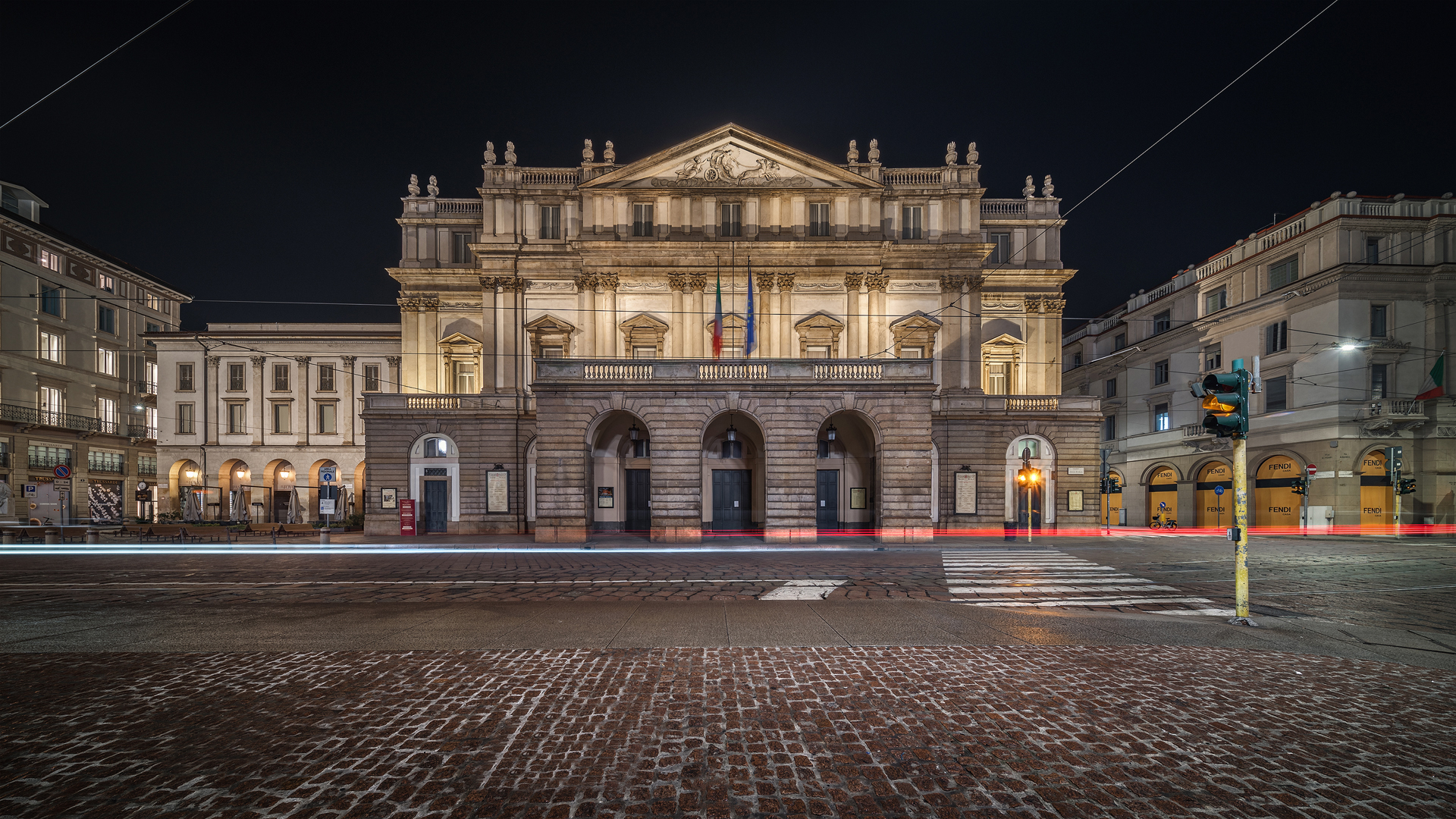
The Teatro alla Scala is not simply a building. It is the place where Verdi conducted the premieres of his greatest works, where Maria Callas left audiences breathless, and where Arturo Toscanini shaped the sound of the modern symphony orchestra. When you walk through the museum, you are not just looking at old costumes and yellowed scores — you are moving through three centuries of Western musical history, one artefact at a time.
In my experience visiting Milan's cultural landmarks, the Museo Teatrale alla Scala consistently surprises visitors the most. People who arrive expecting a modest collection of theatrical memorabilia find themselves absorbed in a journey that traces the evolution of opera, ballet, and symphonic music through objects of incalculable value. A Liszt piano here. A handwritten Verdi score there. And then — if the scheduling gods are with you — a view down into the auditorium itself that stops you cold.
The permanent collection spans multiple rooms and includes:
Organising a visit to the Scala museum takes a small amount of planning — not much, but enough to avoid the most common frustrations. The key variable is the availability of guided tours, which operate under a different booking logic from standard museum tickets.
You have two main options:
This is the crucial step. Guided theatre tours have limited capacity and tickets are released on a monthly basis, aligned with the theatre's production calendar. During peak tourist season — April through October — available slots disappear fast. My recommendation: book at least two to three weeks ahead, and further out if you are visiting on weekends or during Italian school holidays.
For the standalone museum visit, advance booking is less critical but still worth doing to avoid standing in queue at the ticket desk when you could be inside.
Not all visiting windows are equal. Based on years of observation:
The ticketing system for the Scala museum and the guided theatre tours operates across separate channels. Here is a clear overview of what each option costs and what it covers.
| Ticket Type | Indicative Price | Includes | Booking |
|---|---|---|---|
| Museum — standard entry | From around €12* | All exhibition rooms, view into theatre boxes | Recommended |
| Guided theatre tour + museum | €35 per person* | 60-min tour + full museum access | Required |
| Private guided tour + transfer | Variable | Hotel pickup/meeting point + visit | Required |
*Prices from the official website museoscala.org, subject to change. Verify before purchasing.
Guided theatre tours do not offer reduced rates or complimentary tickets, according to the official website. For the standalone museum, check the current policies at museoscala.org for any concessions available to students, seniors or holders of tourist cards.
The main museum entrance is at Largo Ghiringhelli 1, on the left side of the theatre when you face the facade from Piazza della Scala. A few things most visitors do not know:
Milan has a whole ecosystem of cultural experiences connected to La Scala. These pair naturally with a museum visit and can fill a complete day without going anywhere near a tourist trap.
The ultimate experience. The opera season runs December through July. Tickets for celebrated productions sell out months in advance, but ballet performances and symphonic concerts typically have better availability. Even a seat in the gallery is an experience you will not forget.
One of the most important music libraries in Europe, holding over 150,000 volumes. Open by appointment to researchers and serious music lovers. If that is your world, it is worth enquiring.
The square in front of the theatre is anchored by the monument to Leonardo da Vinci and faces Palazzo Marino, home to Milan's city government. One of the most photographed views in the city, and completely free.
A few steps from the theatre, in Piazza della Scala, the Gallerie d'Italia house a substantial collection spanning 18th-century painting through to contemporary art. If the museum visit leaves you wanting more, this is your next stop.
The Teatro alla Scala was born, quite literally, from ashes. In 1776, a fire destroyed the previous Regio Ducale theatre. Empress Maria Theresa of Austria commissioned a replacement on the site of a demolished church — the church of Santa Maria alla Scala — which gave the new theatre its name.
The architect Giuseppe Piermarini designed a neoclassical building that opened on 3 August 1778 with Antonio Salieri's opera L'Europa riconosciuta. From that night forward, the Scala became the stage where Italian and international opera took shape — not just a venue for performance, but an engine of artistic creation.
Today the theatre stages around 200 performances a year across opera, ballet and concerts. The opera season opens traditionally on 7 December — the feast of Sant'Ambrogio, Milan's patron saint — an event broadcast across Italy and followed by opera lovers worldwide.
The theatre sits in the heart of Milan's historic centre, a short walk from the Duomo. These are your options:
The closest station is Duomo (lines M1 red and M3 yellow). From the exit, walk through the Galleria Vittorio Emanuele II — a five-minute stroll that is itself worth experiencing slowly. Alternatively, Montenapoleone (M3) is about seven minutes on foot.
Lines 1 and 2 stop on Via Manzoni, two minutes from the theatre. The tram is one of the most pleasant ways to move through Milan, especially if you catch one of the vintage orange cars still running on certain routes.
The most scenic route: from the Duomo, enter the Galleria Vittorio Emanuele II through the main archway, cross the full length of the gallery, and exit onto Piazza della Scala. The theatre is directly in front of you. Allow five minutes — more if you stop to look at the floor mosaics, which you should.
Not recommended. Milan's historic centre is a ZTL (Limited Traffic Zone) with a paid access scheme called Area C. If you are arriving by car, use the underground car parks at Piazza Diaz or Via Bagutta and walk from there — it is faster than searching for on-street parking that does not exist.
For a thorough visit, allow 1.5 to 2 hours. If you want a focused look at the highlights and the view into the auditorium, 45 minutes is workable. The guided theatre tour adds 60 minutes to whatever time you spend in the museum afterwards.
The museum has wheelchair access. The guided theatre tours, however, are not suitable for visitors with significant mobility impairments due to internal stairways and narrow corridors. Check the latest accessibility details on the official website before booking.
Yes — with a museum ticket you can look into the auditorium from the boxes, but only if no rehearsals or stage work is underway. The key point: it is not guaranteed. With the guided tour you have access to areas otherwise closed to the public, regardless of what is happening on stage.
Photography for personal use is generally permitted throughout the museum. During guided theatre tours, photography and video recording are allowed for personal use only — no flash, no tripods. Verify the current rules at the time of your visit.
The guided theatre tours require a minimum age of 12 years, according to the official website. The museum itself is open to all ages. School groups are excluded from the guided theatre tours.
Tours may be cancelled at short notice for technical or artistic reasons — if a rehearsal overruns, for example. In these cases the official website states a full refund is issued. Cancellations initiated by the visitor are not eligible for a refund through the official channel.
Everything about the guided tour: the route, what you see, how to book and tips for making the most of 60 minutes inside one of the world's great theatres.
Detailed comparison of ticket options, available discounts, city passes and how to get the best value from your visit to La Scala.
Strategies and expert tips for finding last-minute tickets for the museum and performances at La Scala — even when availability looks impossible.
Learn about the independent team behind this visitor guide to Teatro alla Scala Milan.
Book your tickets in advance and secure your place for a cultural experience that stands apart from everything else Milan has to offer.
Check Availability and Book